
01

Brain Tumors

Tumores Cerebrales
Brain Tumors

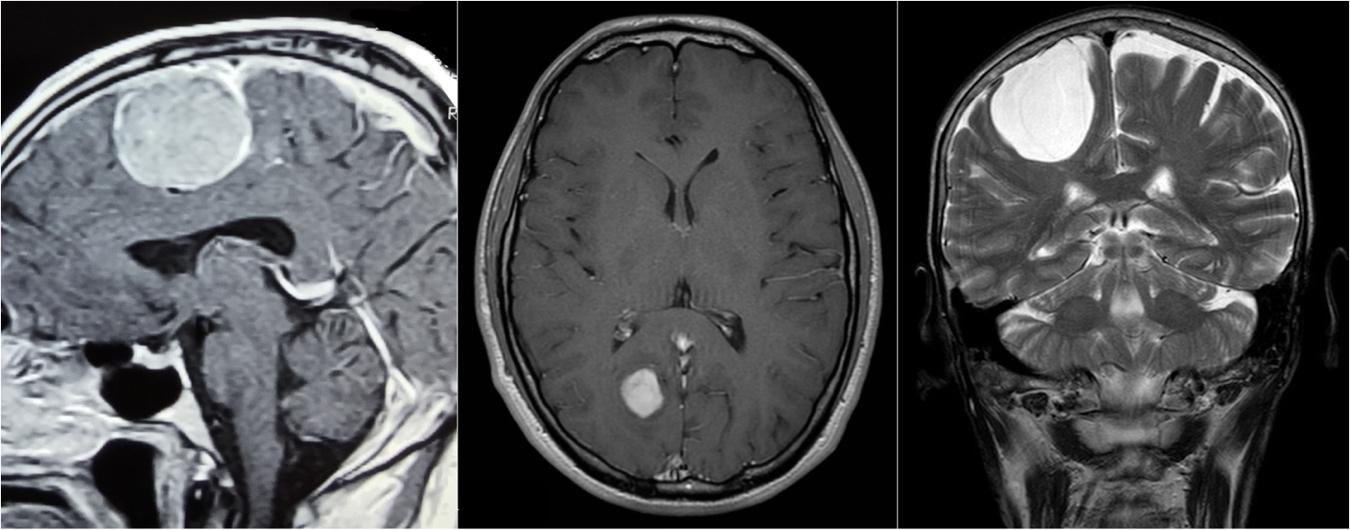
Brain tumor surgery is a procedure to remove a mass of unhealthy cells in the brain. There are many different types of primary brain tumors. Some brain tumors are not cancer — these are called noncancerous or benign brain tumors. Noncancerous brain tumors may grow over time and press on the brain tissue. Other brain tumors are brain cancers, also called malignant brain tumors, which may grow quickly and invade or destroy brain tissue.

Brain tumors range in size from very small to very large. Some are found when they are very small because they cause symptoms right away. Others grow quite large before they're found, particularly in less active areas of the brain.

The goal of brain tumor surgery is to remove the entire tumor without damaging the healthy brain tissue around it. Sometimes, surgeons may only be able to remove part of the tumor. Some patients may only need surgery, while others require additional treatments such as radiation therapy or chemotherapy.

La cirugía de tumores cerebrales es un procedimiento para extirpar una masa de células malignas del cerebro. Existen muchos tipos de tumores cerebrales primarios. Algunos no son cancerosos (benignos) y pueden crecer con el tiempo comprimiendo el tejido cerebral. Otros son tumores malignos que crecen rápidamente e invaden o destruyen el tejido cerebral.

El tamaño de los tumores cerebrales varía desde muy pequeños hasta muy grandes. Algunos se detectan cuando son pequeños porque causan síntomas de inmediato. Otros crecen mucho antes de ser detectados, especialmente en zonas menos activas del cerebro.

El objetivo de la cirugía es extirpar el tumor por completo sin dañar el tejido cerebral sano. En ocasiones solo es posible extirpar una parte. Algunos pacientes solo necesitan cirugía, mientras que otros requieren radioterapia o quimioterapia adicional.
02

Cranioplasty

Craneoplastia

Cranioplasty

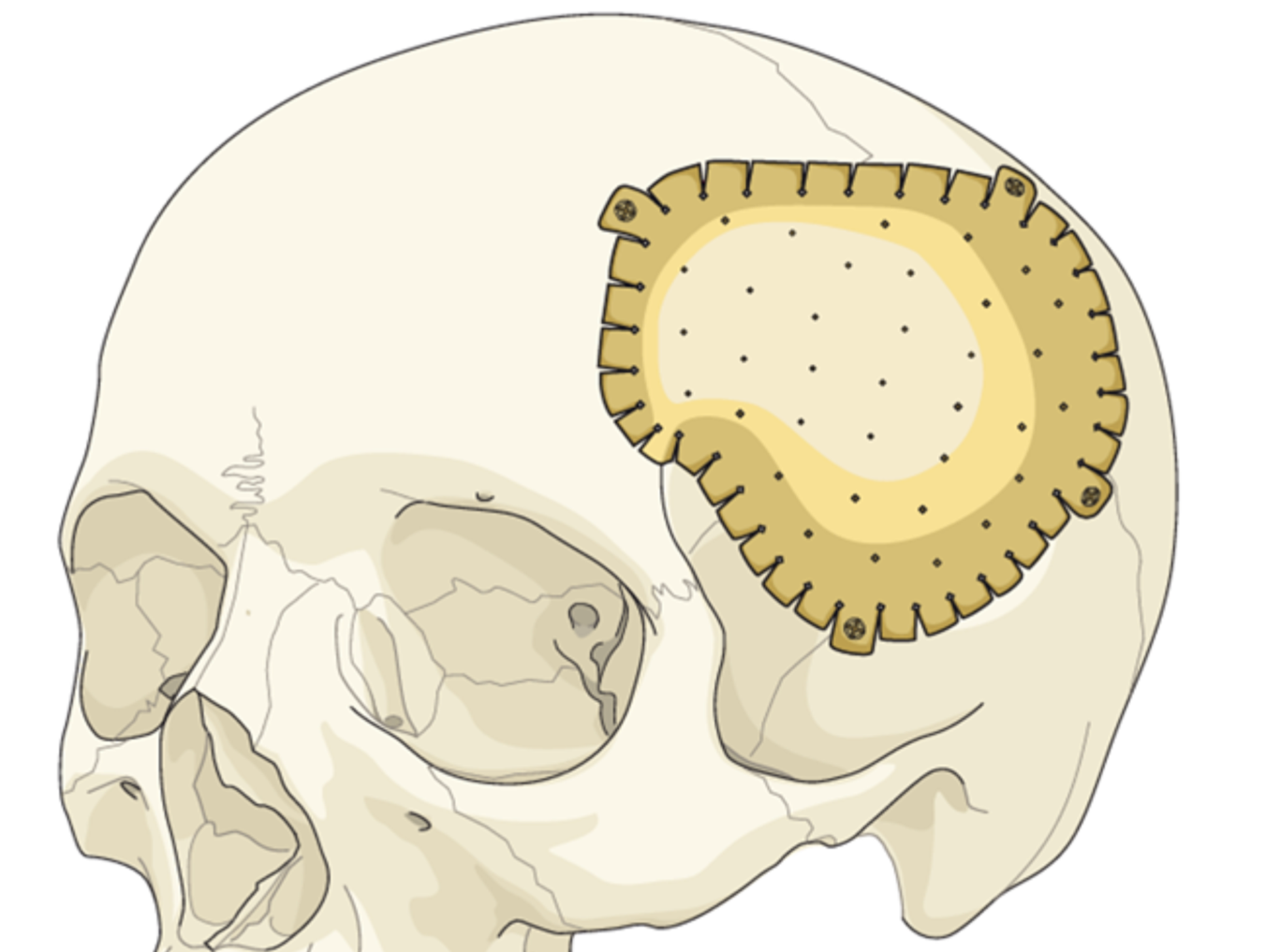
Cranioplasty is a neurosurgical procedure that repairs skull defects caused by trauma, previous surgery (like decompressive craniectomy), or congenital conditions. It involves covering the gap with the patient's own bone (autologous) or synthetic material (e.g., titanium or PEEK) to protect the brain, restore skull contour, and improve neurological function.

The surgery usually involves lifting the scalp to fit the implant and securing it to the cranium. A well-performed cranioplasty not only protects the brain from injury but can also lead to neurological improvements by restoring normal intracranial pressure dynamics.

Dr. Robles has published research on autologous cranioplasty techniques, including work on bone flap preservation in conventional freezers — an important option in resource-limited settings.

La craneoplastia es un procedimiento neuroquirúrgico que repara defectos craneales causados por traumatismos, cirugías previas (como la craneotomía descompresiva) o afecciones congénitas. Consiste en cubrir el defecto con hueso del propio paciente (autólogo) o con material sintético (titanio o PEEK) para proteger el cerebro, restaurar el contorno del cráneo y mejorar la función neurológica.

La cirugía generalmente implica levantar el cuero cabelludo para colocar el implante y fijarlo al cráneo. Una craneoplastia bien realizada no solo protege el cerebro de lesiones, sino que también puede mejorar la función neurológica al restaurar la dinámica normal de la presión intracraneal.

El Dr. Robles ha publicado investigaciones sobre técnicas de craneoplastia autóloga, incluyendo la preservación del colgajo óseo en congeladores convencionales.

03

Chiari Malformation

Malformación de Chiari

Chiari Malformation

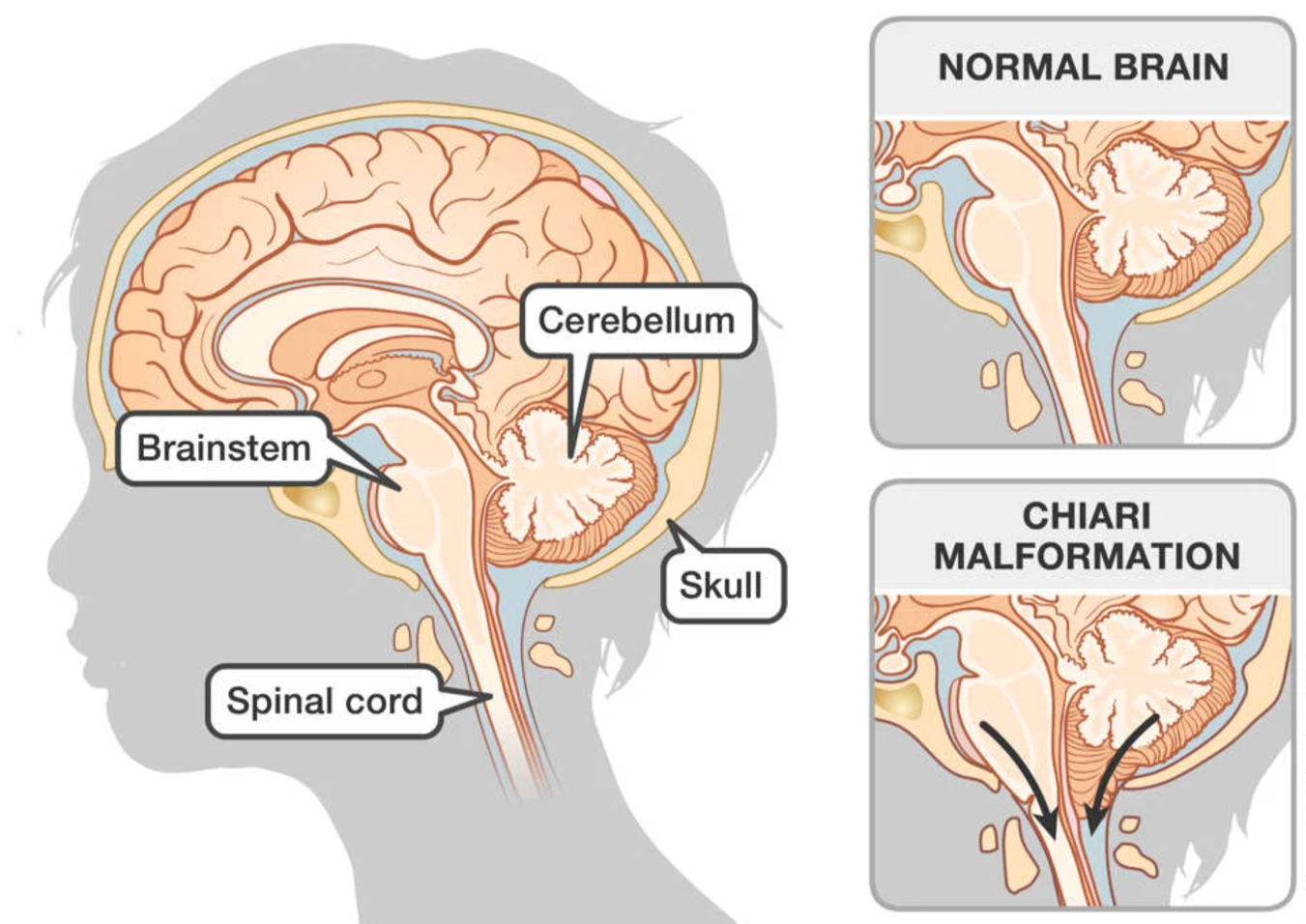
Chiari malformation is a structural defect in which the lower part of the brain (cerebellum) descends into the spinal canal, causing pain and neurological symptoms due to pressure on the brainstem. Common symptoms include severe headaches (often triggered by straining), neck pain, dizziness, balance issues, and weakness. Diagnosis is confirmed via MRI.

Chiari malformation surgery — typically a posterior fossa decompression — aims to relieve pressure on the brainstem and cerebellum by removing a small section of bone at the back of the skull and sometimes the top vertebrae. This creates more space and reduces compression.

Dr. Robles has published case reports on Chiari malformation, including presentations in children and cases with associated syrinx (fluid-filled cavity in the spinal cord).

La malformación de Chiari es un defecto estructural en el que la parte inferior del cerebelo desciende hacia el canal espinal, causando dolor y síntomas neurológicos por presión sobre el tronco encefálico. Los síntomas comunes incluyen fuertes dolores de cabeza, dolor de cuello, mareos, problemas de equilibrio y debilidad. El diagnóstico se confirma mediante resonancia magnética.

La cirugía — generalmente una descompresión de la fosa posterior — tiene como objetivo aliviar la presión sobre el tronco encefálico y el cerebelo mediante la extirpación de una pequeña porción ósea en la parte posterior del cráneo y, en ocasiones, de las vértebras superiores.

El Dr. Robles ha publicado casos de malformación de Chiari, incluyendo presentaciones en niños y casos asociados con siringomielia.

04

Hydrocephalus

Hidrocefalia

Hydrocephalus

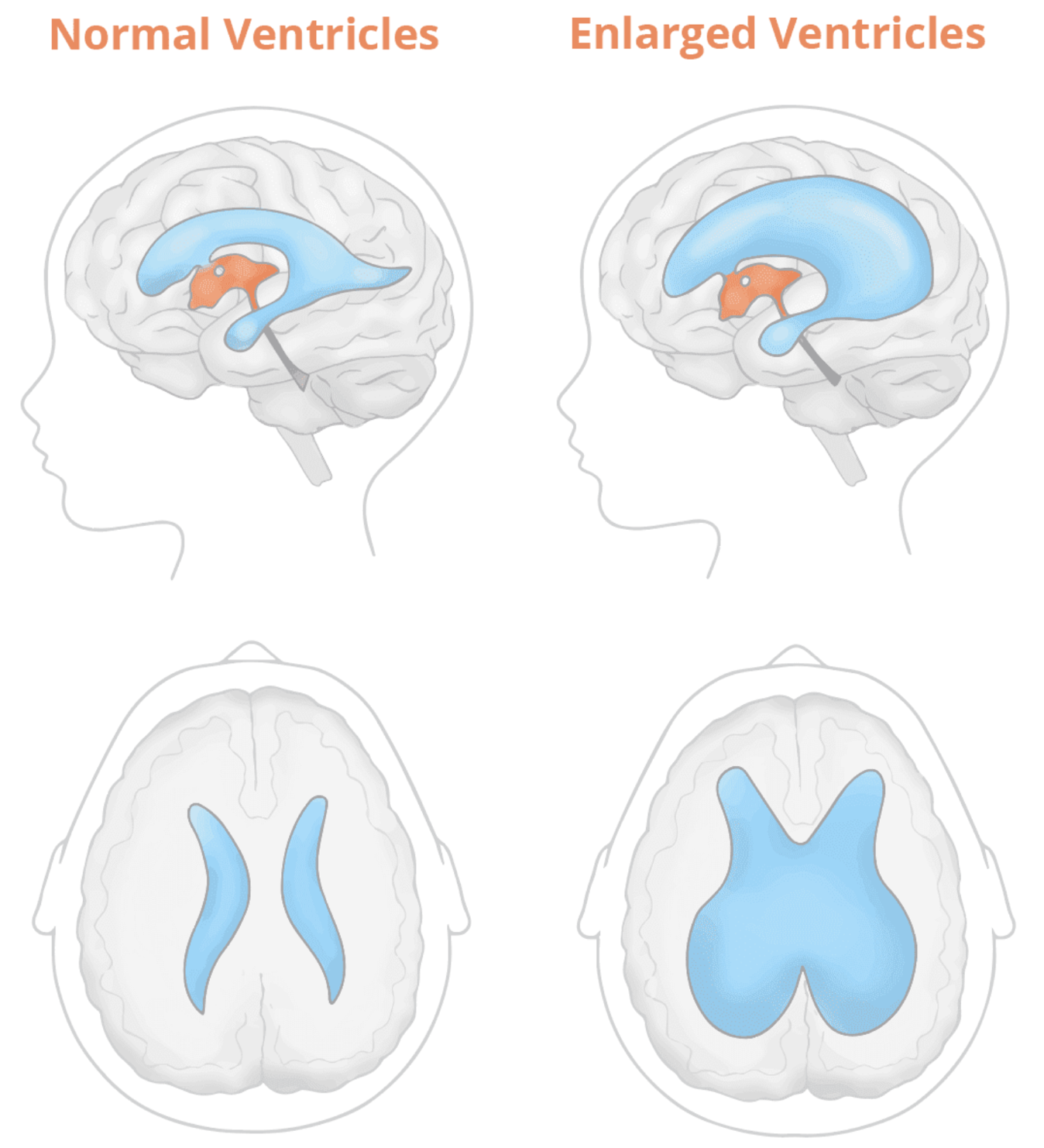
Hydrocephalus is a chronic neurological condition caused by an abnormal buildup of cerebrospinal fluid (CSF) in the brain's cavities (ventricles), causing them to enlarge and put pressure on brain tissue. It is commonly caused by blockages, poor absorption, or overproduction of CSF.

Symptoms vary by age:

  • Infants: Rapidly increasing head circumference, bulging fontanelle, prominent scalp veins, irritability, "sunset eyes"
  • Children & Adults: Headaches (worse in the morning), nausea, vomiting, blurry or double vision, cognitive difficulties, gait disturbances
  • Normal Pressure Hydrocephalus (NPH): Triad of walking difficulties, urinary incontinence, and dementia-like cognitive decline

While hydrocephalus cannot be cured, it can be treated — typically through surgical insertion of a shunt, a system that drains excess CSF to another part of the body (usually the abdomen).

La hidrocefalia es una afección neurológica crónica causada por una acumulación anormal de líquido cefalorraquídeo (LCR) en los ventrículos cerebrales, lo que provoca su dilatación y presión sobre el tejido cerebral. Generalmente se debe a obstrucciones, mala absorción o sobreproducción de LCR.

Los síntomas varían según la edad:

  • Lactantes: Aumento rápido del perímetro cefálico, fontanela abultada, venas prominentes, irritabilidad, "ojos en puesta de sol"
  • Niños y adultos: Dolores de cabeza (peores por la mañana), náuseas, vómitos, visión borrosa o doble, dificultades cognitivas, trastornos de la marcha
  • Hidrocefalia de presión normal (HPN): Tríada de dificultad para caminar, incontinencia urinaria y deterioro cognitivo

Aunque no tiene cura, se puede tratar mediante la inserción quirúrgica de una derivación, un sistema que drena el exceso de LCR a otra parte del cuerpo (normalmente el abdomen).

05

Head / Brain Trauma

Traumatismo Craneoencefálico

Head / Brain Trauma

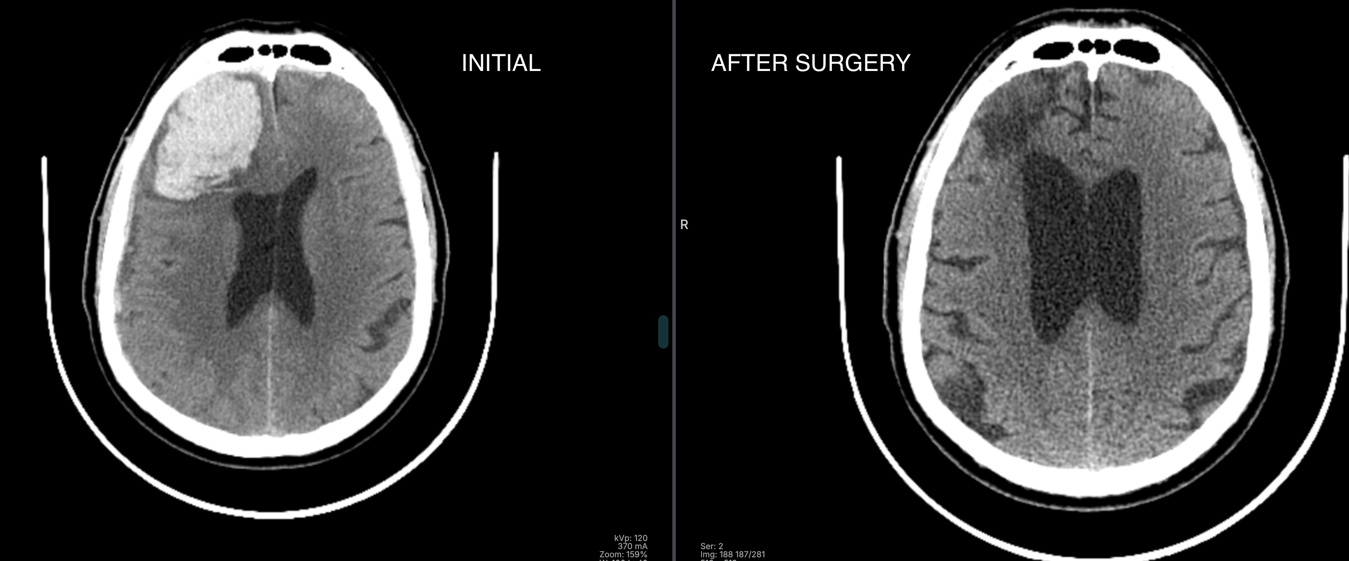
Surgery for head trauma treats severe traumatic brain injuries (TBI) by relieving intracranial pressure, stopping bleeding, or repairing skull fractures. Common procedures include craniotomy to remove blood clots or repair damage, and decompressive craniectomy to manage severe swelling.

Common surgical procedures for head trauma include:

  • Craniotomy: A surgical opening in the skull to access the brain, remove hematomas (blood clots), repair damaged tissue, or stop bleeding
  • Decompressive Craniectomy: A portion of the skull is removed and left off to allow the brain to swell outward and reduce pressure on the brainstem
  • Burr Hole Surgery: Small holes drilled into the skull to drain fluids or blood clots, often used in emergencies
  • Skull Fracture Repair: Reconstructing and stabilizing fractured bone fragments, particularly for depressed fractures

La cirugía para el traumatismo craneoencefálico trata las lesiones cerebrales traumáticas graves aliviando la presión intracraneal, deteniendo el sangrado o reparando fracturas de cráneo. Los procedimientos comunes incluyen craneotomía para eliminar coágulos de sangre y craneotomía descompresiva para controlar la inflamación severa.

Procedimientos quirúrgicos comunes:

  • Craneotomía: Apertura quirúrgica en el cráneo para acceder al cerebro, extraer hematomas, reparar tejido dañado o detener el sangrado
  • Craneotomía descompresiva: Se extrae una porción del cráneo para permitir que el cerebro se expanda y reduzca la presión sobre el tronco encefálico
  • Trépanos: Pequeñas perforaciones en el cráneo para drenar líquidos o coágulos de sangre
  • Reparación de fracturas de cráneo: Reconstrucción y estabilización de fragmentos óseos fracturados
06

Brain Hemorrhage

Hemorragia Cerebral

Brain Hemorrhage

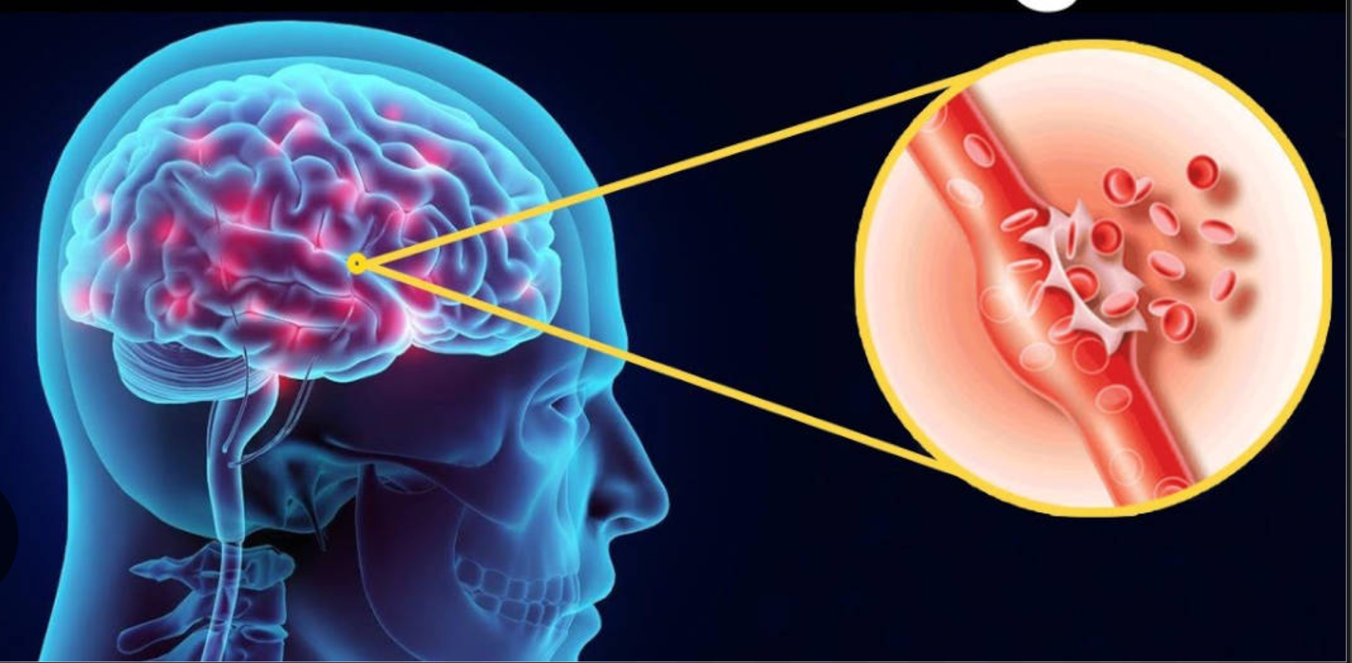
When a brain bleed occurs, a blood vessel leaks blood or bursts. Blood collects within your skull and brain, creating pressure that prevents oxygen and nutrients from reaching brain tissues and cells. A brain bleed is a life-threatening medical emergency.

A brain bleed can happen after: head trauma, atherosclerosis, a blood clot, a cerebral aneurysm (weak spot in a blood vessel wall), arteriovenous malformation (AVM), cerebral amyloid angiopathy, or a brain tumor.

Treatment varies based on the severity and location of the bleed. Your surgeon will focus on stopping the bleeding and managing the cause. Treatment may include surgery or medications. Prompt surgical intervention can be life-saving.

Cuando se produce una hemorragia cerebral, un vaso sanguíneo pierde sangre o se rompe. La sangre se acumula dentro del cráneo y el cerebro, ejerciendo presión que impide que el oxígeno y los nutrientes lleguen a los tejidos cerebrales. Una hemorragia cerebral es una emergencia médica potencialmente mortal.

Puede ocurrir después de: un traumatismo craneoencefálico, aterosclerosis, un coágulo de sangre, un aneurisma cerebral, una malformación arteriovenosa (MAV), angiopatía amiloide cerebral, o un tumor cerebral.

El tratamiento varía según la gravedad y localización del sangrado. El cirujano se enfocará en detener el sangrado y tratar la causa. El tratamiento puede incluir cirugía o medicamentos. La intervención quirúrgica oportuna puede ser decisiva.

Schedule a Consultation

Agenda una Consulta

Contact Dr. Robles to discuss your condition and treatment options. WhatsApp appointments available.

Contacta al Dr. Robles para hablar sobre tu condición y las opciones de tratamiento. Citas disponibles por WhatsApp.

Contact UsContáctanos WhatsApp